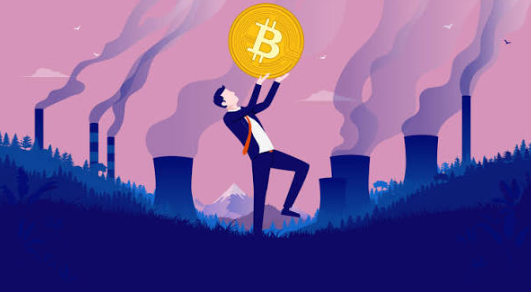

Bitcoin mining consumes substantial energy to perform trillions of hash calculations that secure the network. The footprint varies by grid mix, efficiency, and policy, creating regional disparities. Critics demand transparent metrics and real-time monitoring to avoid greenwashing, while supporters push for cleaner energy and demand-response programs. The balance between security, resilience, and equity hinges on accountable operators and verifiable decarbonization. The question remains: can progress be measured fast enough to justify continued expansion?
Why Bitcoin Mining Uses Energy
Bitcoin mining consumes energy primarily because it relies on proof-of-work, a consensus mechanism that requires miners to perform vast numbers of hash calculations to secure the network and validate transactions.
Data show electricity use varies by region and efficiency, not ideology.
The analysis remains detached yet critical, addressing unrelated topic and tangential debate, while evaluating market incentives and transparency for freedom-minded observers.
The Global and Regional Energy Footprint
This analysis highlights how global demand strains regional grids, creating uneven load shifts and resilience concerns.
Critics argue for transparent metrics and real-time monitoring to assess macroeconomic and energy-security implications for diverse communities.
See also: How Artificial Intelligence Helps Detect Financial Fraud
How Tech and Policy Reduce Emissions in Mining
Tech and policy interventions are increasingly aimed at curbing emissions in mining by targeting inputs, processes, and incentives. Data shows curtailment of idle power use, switching to renewables, and demand-response programs reduce emissions intensity. Critics note implementation gaps and variability across jurisdictions. Policy incentives and grid modernization must align with transparent metrics to avoid greenwashing and ensure verifiable decarbonization.
What You Can Do for Greener Mining
What individuals, institutions, and communities can do to promote greener mining hinges on concrete actions that affect input choices, process optimization, and accountability.
The analysis emphasizes verifiable metrics, lifecycle assessments, and transparent reporting.
Critics note variability in energy sources and efficiency gains, urging standardized frameworks.
For freedom-minded readers, pursuing greener mining requires informed procurement, rigorous verification, and accountable operators prioritizing energy efficiency and low-carbon supply chains.
Conclusion
Bitcoin mining reverberates with energy need, yet the footprint is not monolithic. Data show regional gradients shaped by grid mix, efficiency, and policy. Innovations and reforms can tighten emissions without sacrificing security, but decay rests on accountability and verification. The picture is granular and scrutinizable: decarbonization is feasible, contingent on transparent metrics, real-time monitoring, and responsive procurement. Without rigorous guardrails, the glow of greener mining risks pale into marketing—rigor, not rhetoric, must guide the path forward.