John A

John A

The Environmental Impact of Bitcoin Mining
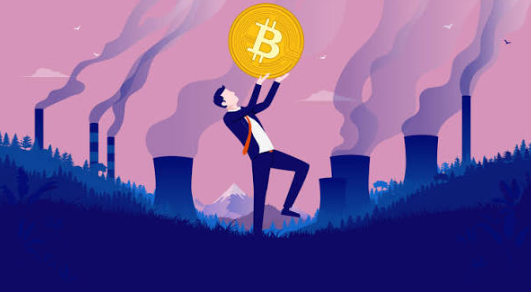
The Environmental Impact of Bitcoin Mining

Bitcoin mining consumes substantial energy to perform trillions of hash calculations that secure the network. The footprint varies by grid mix, efficiency, and policy, creating regional disparities. Critics demand transparent metrics and real-time monitoring to avoid greenwashing, while supporters push…

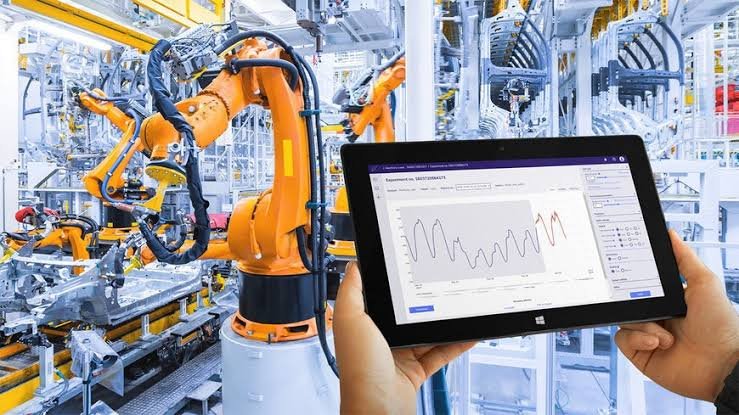
The Environmental Challenges of Cryptocurrency Mining

The Environmental Challenges of Cryptocurrency Mining

Cryptocurrency mining imposes clear environmental costs. Energy demand rises, and emissions track the grid’s mix, making transparency essential for genuine impact assessment. E-waste, water-intensive cooling, and local burdens intensify scrutiny of temporary, often opaque gains. Greener practices exist, yet verify-and-govern…

How Artificial Intelligence Is Used to Detect Equipment Problems

How Artificial Intelligence Is Used to Detect Equipment Problems

Artificial intelligence detects equipment problems by continuously monitoring sensor data and identifying subtle deviations from normal operation. It relies on labeled data, feature extraction, and anomaly detection to reveal early risks. Models translate complex signals into actionable alerts, supporting proactive…

How Artificial Intelligence Helps Detect Financial Fraud

How Artificial Intelligence Helps Detect Financial Fraud

Artificial intelligence accelerates fraud detection by processing large, diverse data to reveal subtle patterns humans may miss. Real-time risk scoring translates streams of transactions into immediate signals, while anomalies are flagged for review. Automated triage prioritizes cases within governed, auditable…